

The Pelvic Floor and Pressure Management
Our pelvic floor has many important functions including bowel and bladder control, supporting our internal organs, and providing strength and stability for our daily activities.

Our pelvic floor has many important functions including bowel and bladder control, supporting our internal organs, and providing strength and stability for our daily activities.

While you sleep, your body produces a hormone that changes the amount of urine that is produced. That allows the average person to sleep for 6 to 8 hours without needing to get up to urinate. If you are unable to sleep, this does not happen and your kidneys will keep on producing urine at their normal rate and you will need to make a trip to the bathroom.

You can be leaking urine and kegels can sometimes make your symptoms worse. People are surprised when their pelvic floor therapist usually tells them they need to find a balance between length and strength of their pelvic floor muscles and address their breathing mechanics to improve their incontinence symptoms.
Common misconceptions about Pelvic Floor Physical Therapy

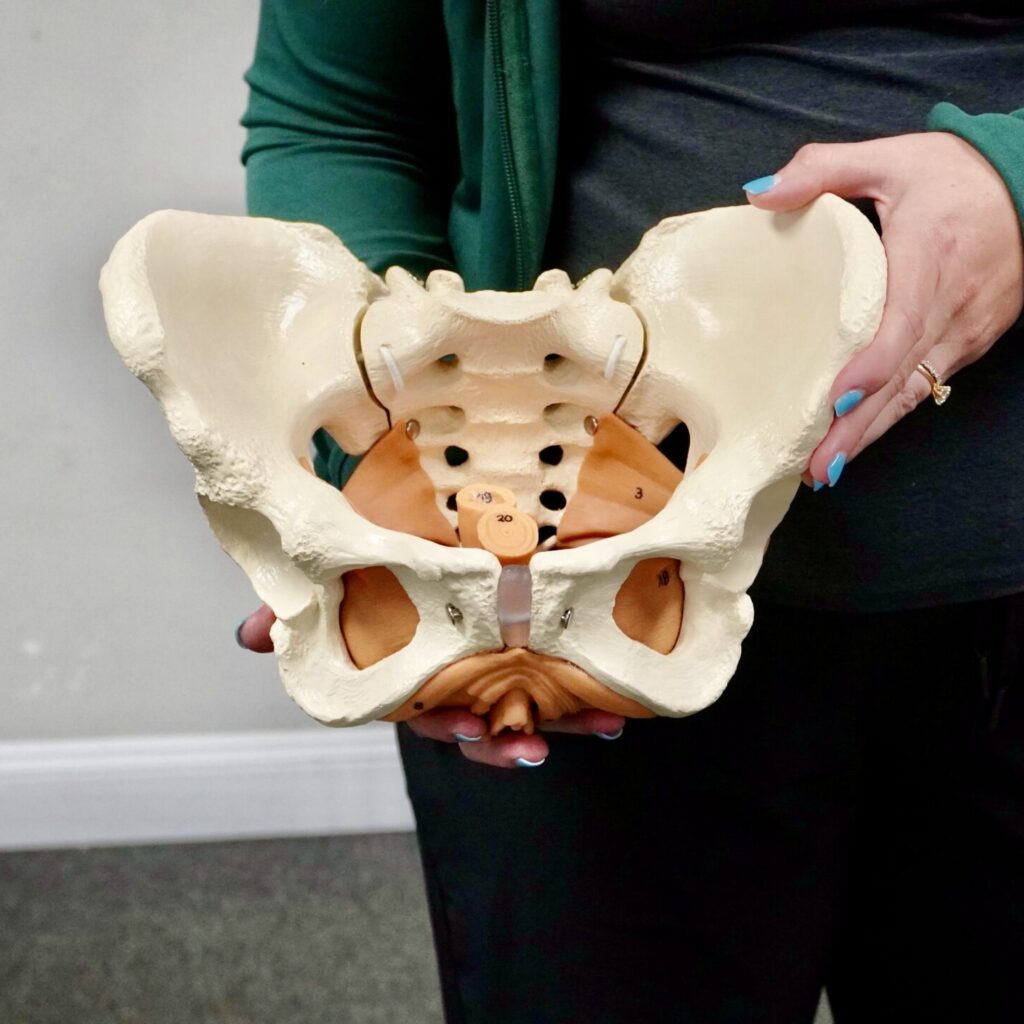
The pelvic floor is a group of muscles, ligaments, and connective tissues that sit at the bottom of your pelvis—kind of like a supportive hammock. These muscles hold up important organs such as the bladder, rectum, intestines, and (in women) the uterus, and they help control when you go to the bathroom. The pelvic floor is the “floor” of your core system.